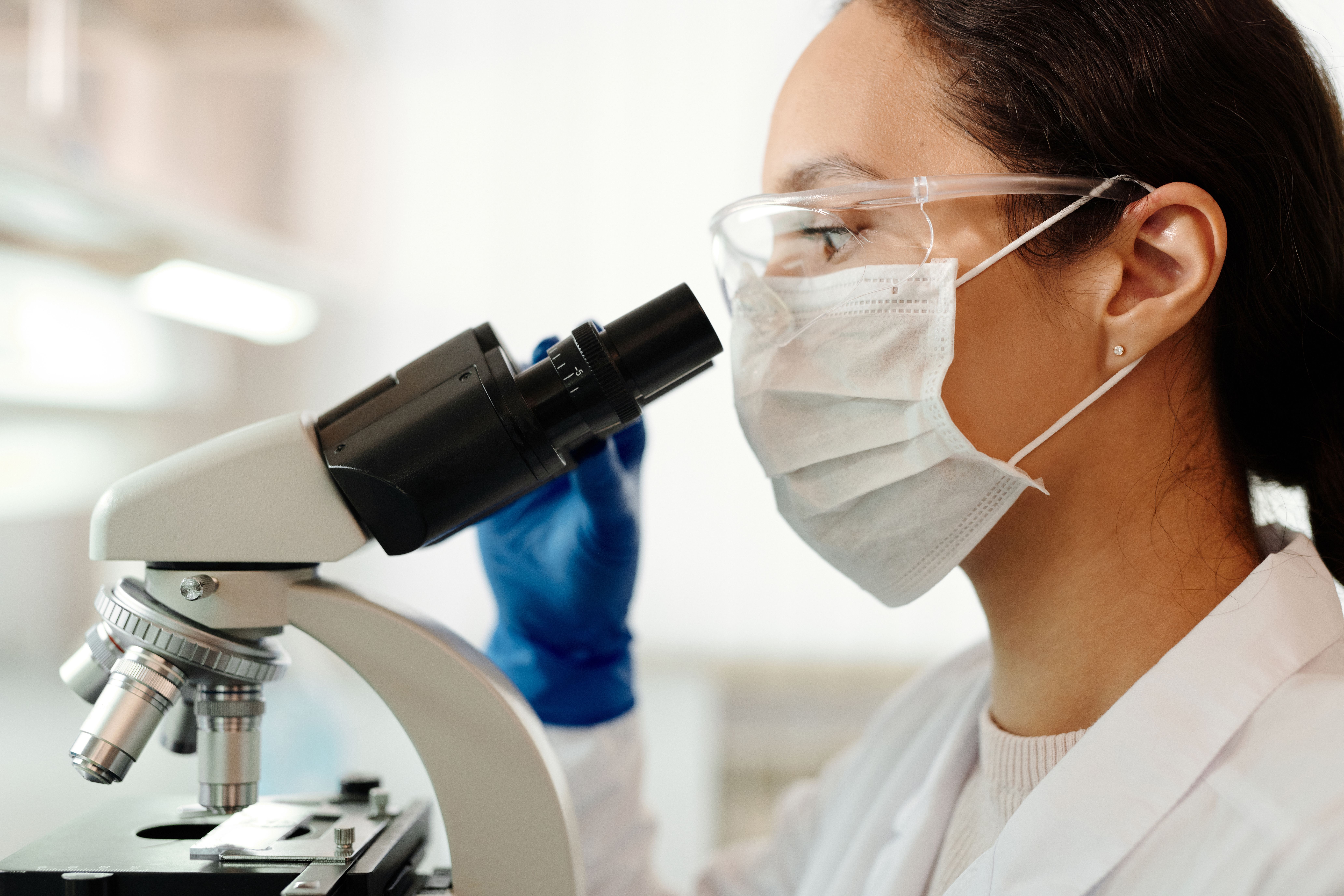
Intraoperative biopsy: Origin and technology
Abstract
The 19th century saw significant socio-political changes the whole world, and all disciplines that defined themselves as scientific focused on the possibilities they could offer to the new modern societies. Medicine was not left out of this review, and although the Galenic theory of humors continued to be used as a guide for diagnosis, and the prejudice persisted that sensory experience could not lead to rational reflection on disease, it embraced the challenge. It was in this context that biopsy emerged as a diagnostic method. Although cell theory arose in the mid-19th century, it had to undergo a long process before being fully accepted as a theoretical foundation for the medical sciences. The origin of intraoperative biopsy, in particular, and its institutional adaptation, serves as a good example to explain how modern medicine demystified intervention in the human body, and how this action opened the way for better-founded diagnoses. This presentation will trace the origins of intraoperative biopsy, the support and debates surrounding its foundations, who were its technical operators and its technological evolution to the present day.
Downloads