Full-text of the article is available for this language: Español (España).
Shame over tooth loss: between psychological suffering and structural inequality in Chilean oral health
Manuel Alejandro Castro Gatica
PhD in Sociology. Researcher and Assistant Professor, Faculty of Social Sciences, Department of Social Work, Universidad Alberto Hurtado, Santiago, Chile.
,
Karen Danke Hausdorf
PhD in Dental Sciences. Research Professor, School of Dentistry, Universidad San Sebastián, Santiago, Chile.
,
Ingeborg Bevensee Canavati
Dentist. Oral Rehabilitation Specialist. Research Associate, Universidad de Chile, Santiago, Chile.
,
Ana Beatriz Silva Lopes
PhD in Dental Sciences. Assistant Professor, School of Dentistry and Rehabilitation Sciences, Universidad San Sebastián, Santiago, Chile.
,
Jorge Gamonal
PhD in Dental Sciences. Full Professor, School of Dentistry, Center for Epidemiology and Surveillance of Oral Diseases (CEVEO), Universidad de Chile, Santiago, Chile.
Received:
28 August 2025,
Accepted:
23 February 2026,
Published:
26 March 2026

https://doi.org/10.18294/sc.2026.5911 | PMID: 42191564 | PMCID: 13456145
Article views
1444
Metrics Loading ...
Abstract
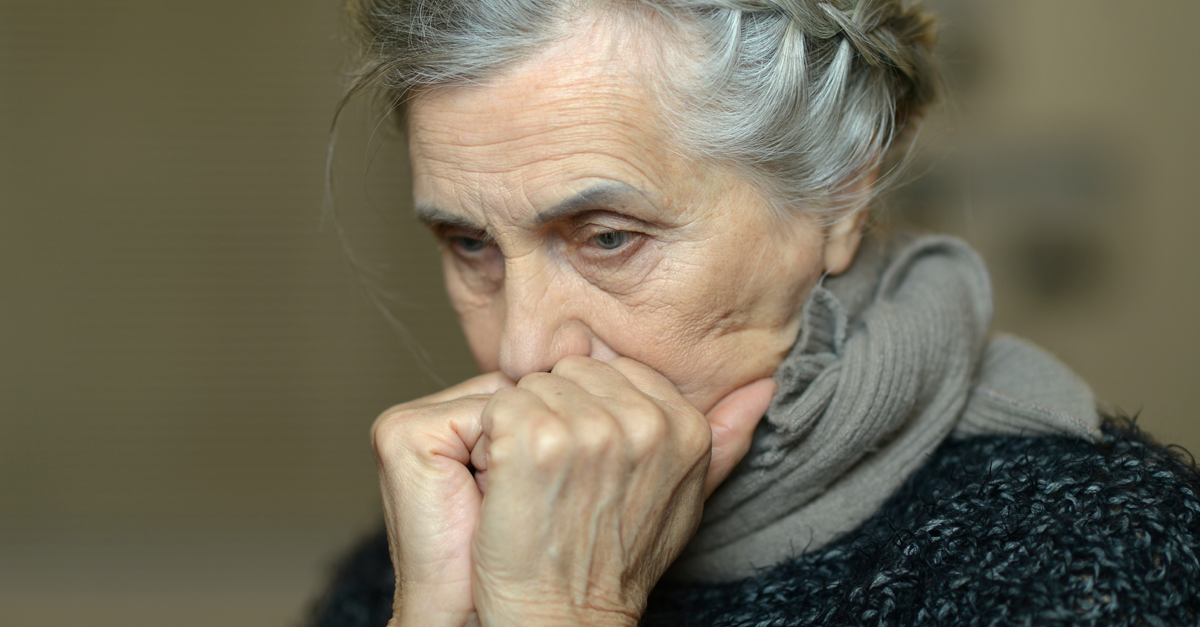
The article analyzes how tooth loss among older adults is not merely a clinical issue but a social and emotional phenomenon marked by shame, stigma, and structural inequality in oral health in Chile. From a qualitative, narrative approach with a descriptive scope and a hermeneutic (interpretive) orientation, 12 interviews were conducted in the commune of Cerro Navia, in the Metropolitan Region of Chile, between August and September 2024. The narratives reveal that tooth loss affects self-esteem, identity, and social participation. Shame manifests in behaviors such as covering the mouth, avoiding smiling, speaking in public, or attending social gatherings, leading to social isolation and psychological suffering. The testimonies show that lack of financial resources and limited access to public dental care exacerbate this distress, forcing many individuals to resign themselves to tooth loss. This condition, in addition to limiting nutrition and everyday functioning, becomes a social marker of class, reinforcing moral judgments associated with poverty and poor hygiene. The study concludes that shame cannot be understood solely as an individual emotion, but rather as a social device that reproduces inequalities and exclusions. An integrated approach to oral health is proposed, ensuring equitable access to treatment, dignity, and quality of life, while recognizing its direct link to mental health.
Keywords: Mental Health, Shame, Oral Health, Tooth, Chile
Categories: Mental health, Healthcare models
Funding: Fondo de Fomento al Desarrollo Científico y Tecnológico | ID22I101
References
1. Scheff T. Shame and the social bond: A sociological theory. Sociological Theory. 2000;18(1):84-99.
Crossref
| Google Scholar
2. Simmel G. Sobre una psicologia de la vergonya. Digithum. 2018;(21):67-74.
Crossref
| Google Scholar
3. Elias N. El proceso de la civilización. Investigaciones sociogenéticas y psicogenéticas. México: Fondo de Cultura Económica; 2016.
4. Goffman E. Rubor y organización social. En: Goffman E, Sacks H, Cicourel A, Pollner M. Sociologías de la situación. Madrid: Ediciones La Piqueta; 2000. p. 41-58.
5. Gilbert P, Bhundia R, Mitra R, McEwan K, Irons C, Sanghera J. Cultural differences in shame-focused attitudes towards mental health problems in Asian and non-Asian student women. Mental Health, Religion & Culture. 2007;10:127-141.
Crossref
| Google Scholar
6. Ferreira C, Pinto-Gouveia J, Duarte C. Self-compassion in the face of shame and body image dissatisfaction: Implications for eating disorders. Eating Behaviors. 2013;14:207-210.
Crossref
| PubMed
| Google Scholar
7. Rüsch N, Müller M, Ajdacic-Gross V, Rodgers S, Corrigan PW, Rössler W. Shame, perceived knowledge and satisfaction associated with mental health as predictors of attitude patterns towards help-seeking. Epidemiology and Psychiatric Sciences. 2014;23:177-187.
Crossref
| PubMed
| PMC
| Google Scholar
8. Kim E, Im E. Korean-Americans’ knowledge about depression and attitudes about treatment options. Issues in Mental Health Nursing. 2015;36(6):455-463.
Crossref
| PubMed
| PMC
| Google Scholar
9. Bilevicius E, Single A, Bristow LA, Foot M, Ellery M, Keough MT, Johnson EA. Shame mediates the relationship between depression and addictive behaviours. Addictive Behaviors. 2018;82:94-100.
Crossref
| PubMed
| Google Scholar
10. Kotera Y, Tsuda-McCaie F, Edwards AM, Bhandari D, Williams D, Neary S. Mental health shame, caregiver identity, and self-compassion in UK education students. Healthcare (Basel). 2022;10(3):584.
Crossref
| PubMed
| PMC
| Google Scholar
11. Cheng X, et al. The relationship between body image dissatisfaction, shame, and non-suicidal self-injury among Chinese adolescents: A 1-year longitudinal study. Journal of Affective Disorders. 2025;388:119609.
Crossref
| PubMed
| Google Scholar
12. Yakeley J. Shame, culture and mental health. Nordic Journal of Psychiatry. 2018;72(7):481-490.
Crossref
| PubMed
| Google Scholar
13. Kotera Y, Jackson J, Aledeh M, Edwards AM, Veasey C, Barnes K, Komorowska MA, Adam H, Kirkman A. Cross-cultural perspectives on mental health shame among male workers. Journal of Men’s Health. 2023;19(3):65-71.
14. Li X, Li KK. Mental health help-seeking among young internal migrants in China: shame as a double-edged sword. Psychiatric Quarterly. 2025;96:829-845.
Crossref
| PubMed
| PMC
| Google Scholar
15. Sartre JP. El ser y la nada. Buenos Aires: Losada; 2004.
16. Thomason K. Shame, violence, and morality. Philosophy and Phenomenological Research. 2015;91(1):1-24.
Crossref
| Google Scholar
17. Scheff TJ. The S-word is taboo: Shame is invisible in modern societies. Journal of General Practice. 2014;2(6):1-3.
18. Kaufman G. Shame: The power of caring. 3rd ed. Massachusetts: Schenkman Books; 1996.
19. Brown B. Shame resilience theory: A grounded theory study on women and shame. Families in Society. 2007;88(1):1-9.
Crossref
| Google Scholar
20. Le Breton D. Las pasiones ordinarias. Antropología de las emociones. Buenos Aires: Nueva Visión; 1999.
21. Le Breton D. Antropología del cuerpo y modernidad. Buenos Aires: Nueva Visión; 2011
22. Le Breton D. Por una antropología de las emociones. En-claves del Pensamiento. 2012;6(12):118-130.
23. Le Breton D. Modesty in hospital and in care. Soins. 2018;23(129):18-20.
Crossref
| Google Scholar
24. Le Breton D. Antropología del cuerpo y modernidad. Buenos Aires: Nueva Visión; 2011.
25. Le Breton D. Los Rostros, ensayo de Antropología. Buenos Aires: Prometeo; 2024.
26. Peter E, Baiju RM, Kumar S, Varghese NO. Oral health-related quality of life in surgery-first vs traditional orthognathic approach. American Journal of Orthodontics and Dentofacial Orthopedics. 2017;152(6):738-739.
Crossref
| PubMed
| Google Scholar
27. Kandelman D, Petersen PE, Ueda H. Oral health, general health, and quality of life in older people. Special Care in Dentistry. 2008;28(6):224-236.
Crossref
| PubMed
| Google Scholar
28. Kim S, Thibodeau R, Jorgensen RS. Shame, guilt, and depressive symptoms: A meta-analytic review. Psycholgical Bulletin. 2011;137(1):68-96.
Crossref
| PubMed
| Google Scholar
29. Pinto-Gouveia J, Matos M. Can shame memories become a key to identity? Applied Cognitive Psychology. 2011;25(2):281-290.
Crossref
| Google Scholar
30. Tsironis C, Tatsis F, Konstanti Z, Mentis M, Stolakis K, Kotsia V, et al. Resilience and Self-Compassion: Shields Against Age-Related Declines in Oral Health and Shame. Cureus. 2024;16(8):e66565.
Crossref
| PubMed
| PMC
| Google Scholar
31. Frank DB. A principal reflects on shame and school bullying. Psychoanalytic Inquiry. 2013;33(2):174-180.
Crossref
| Google Scholar
32. Sedighimornani N, Rimes K, Verplanken B. Factors contributing to the experience of shame and shame management: adverse childhood experiences, peer acceptance, and attachment styles. Journal of Social Psychology. 2021;161(2):129-145.
Crossref
| PubMed
| Google Scholar
33. Bitencourt FV, Corrêa HW, Toassi RFC. Tooth loss experiences in adult and elderly users of Primary Health Care. Ciência & Saúde Coletiva. 2019;24(1):169-180.
Crossref
| PubMed
| Google Scholar
34. Watt RG. Social determinants of oral health inequalities: implications for action. Community Dentistry and Oral Epidemiology. 2012;40(Suppl 2):44-48.
Crossref
| PubMed
| Google Scholar
35. Kassebaum NJ, Smith AGC, Bernabé E, Fleming TD, Reynolds AE, Vos T, et al. Global, regional, and national prevalence, incidence, and disability-adjusted life years for oral conditions for 195 countries, 1990–2015. Journal of Dental Research. 2017;96(4):380-387.
Crossref
| PubMed
| PMC
| Google Scholar
36. Petersen PE, Bourgeois D, Ogawa H, Estupinan-Day S, Ndiaye C. The global burden of oral diseases and risks to oral health. Bulletin of the World Health Organization. 2005;83:661-669.
37. Andrade FB, Andrade FCD. Socioeconomic inequalities in oral health-related quality of life among Brazilians: a cross-sectional study. Dentistry Journal (Basel). 2019;7(2):39.
Crossref
| PubMed
| PMC
| Google Scholar
38. Gilbert P. The evolution of social attractiveness and its role in shame, humiliation, guilt and therapy. British Journal of Medical Psychology. 1997;70(Pt 2):113-147.
Crossref
| PubMed
| Google Scholar
39. Gilbert P. Shame: Interpersonal behavior, psychopathology and culture. New York: Oxford University Press; 1998.
Crossref
| Google Scholar
40. Doughty J, Sanders AE, Farmer J, Bell K. Oral health-related stigma: Describing and defining a ubiquitous phenomenon. Community Dentistry and Oral Epidemiology. 2023;51(4):316-324.
Crossref
| PubMed
| Google Scholar
41. Tsironis C, Mantzoukas S, Tatsis F, Kourakos M, Diamantopoulos E, Dragioti E, Gouva M. Exploring the mediating role of shame in the link between oral health and psychopathology in older adults. International Journal of Psychiatry. 2024;9(2):1-10.
Crossref
| Google Scholar
42. Abideen MZU, Ali Bushara NA, Baig MN, Siddiqui YD, Ejaz I, Tareen J, Siddiqui AA. Shining a spotlight on stigma: Exploring its impact on oral health-seeking behaviours through the lenses of patients and caregivers. Cureus. 2024;16(6):e63025.
43. Freeman R, Doughty J, Macdonald ME, Muirhead V. Inclusion oral health: Advancing a theoretical framework for policy, research and practice. Community Dentistry and Oral Epidemiolgy. 2020;48(1):1-6.
Crossref
| PubMed
| Google Scholar
44. Andersen MM, Varga S, Folker AP. On the definition of stigma. Journal of Evaluation of Clinical Practice. 2022;28(5):847-853.
Crossref
| PubMed
| PMC
| Google Scholar
45. Pinel EC, Bosson JK. Turning our attention to stigma: An objective self-awareness analysis of stigma and its consequences. Basic and Applied Social Psychology. 2013;35(1):55-63.
Crossref
| Google Scholar
46. Khalid A, Quiñonez C. Straight, white teeth as a social prerogative. Sociology of Health & Illness. 2015;37(5):782-796.
Crossref
| PubMed
| Google Scholar
47. Riessman CK. Narrative methods for the human sciences. Thousand Oaks: Sage Publications; 2008.
48. Chase S. Investigación narrativa: Multiplicidad de enfoques, perspectivas y voces. En: Denzin N, Linconl Y, (eds,). Métodos de recolección y análisis de datos: Manual de Investigación Cualitativa. Vol. IV. Barcelona: Gedisa; 2015.
49. Ahmed S. La política cultural de las emociones. México: Programa Universitario de Estudios de Género, UNAM; 2015.
50. Heller Á. Cinco enfoques al fenómeno de la vergüenza. Acta Sociológica. 2018;(76):123-136.
Crossref
| Google Scholar
51. Caponi S, Kozuchovski Daré P. Neoliberalismo e sofrimento psíquico: a psiquiatrização dos padecimentos no âmbito laboral e escolar. Mediações. 2020;25(2):302–20.
Crossref
| Google Scholar
52. Castro MA. El sufrimiento psíquico de las personas con un diagnóstico psiquiátrico: el dolor de la locura. Perspectivas. 2020;(35):51-74.
Crossref
| Google Scholar
53. Amorim BM. Vida académica, sufrimiento psíquico y el uso de psicotrópicos entre mujeres universitarias en la UFSC, Brasil. Cultura y Drogas. 2024;29(37):132-154.
Crossref
| Google Scholar
54. Ferrans CE, Zerwic JJ, Wilbur JE, Larson JL. Conceptual model of health-related quality of life. Journal of Nursing Scholarship. 2005;37(4):336-342.
Crossref
| PubMed
| Google Scholar
55. Aytac S, Bayram-Arli N, Aydemir-Dev M. Stress and quality of life: the mediating role of happiness. Journal of Economic Culture and Society. 2024;69:46-55.
Crossref
| Google Scholar
56. Aytac SS, Kaya O. Perception of quality of work life in employees in the COVID-19 pandemic. Pakistan Journal of Medical & Health Sciences. 2022;16(1):511-515.
Crossref
| Google Scholar
57. Castro MA, (ed.). Salud Mental en Tiempos de Crisis, desafíos, desigualdades y respuestas. Santiago: Ediciones Universidad Alberto Hurtado; 2025.










ISSN 1669-2381 (print version) | ISSN 1851-8265 (electronic version) | 2250-5334 (english edition)
Editor in chief: Viviana Martinovich
Publisher: Universidad Nacional de Lanús
Rector: Daniel Rodriguez Bozzani
29 de Septiembre 3901, Remedios de Escalada, Lanús (B1826GLC), Provincia de Buenos Aires, Argentina