Introduction
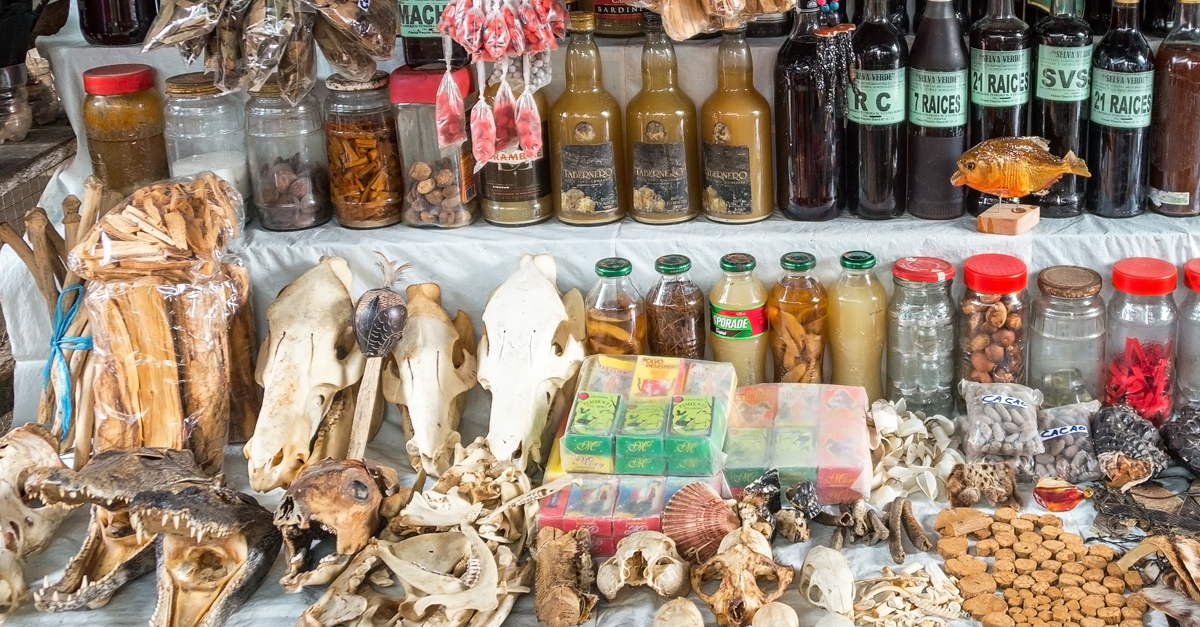
Between 2019 and 2022, the COVID-19 pandemic claimed the lives of 15 million people worldwide and more than 200,000 people in Peru. During the COVID-19 pandemic, the Peruvian population turned to remedies and treatments of various origins, including Amazonian traditional medicine, Andean traditional medicine, home remedies, ivermectin, and Western medicine. Rather than relying exclusively on one or another, however, people in Peru combined the use of plants such as matico and coca, home remedies based on ginger and garlic, eucalyptus steam inhalations, Western medicines, vaccination, and other treatments. In other words, the COVID-19 pandemic brought the current breadth of the healthcare landscape in Peru into view.1
In this article, we analyze the historical tension between the Peruvian state’s efforts to establish Western scientific medicine as the sole framework for understanding health and the enduring popularity of traditional medicine (Andean and Amazonian) in Peru. The central argument of this article is that, across different epidemic contexts in Peruvian history, traditional medicine has persisted despite the state’s efforts to promote Western medicine, drive healers, herbalists, shamans, and midwives out of the healthcare market, and persuade the population of the superiority of Western science. In state discourse during the XIX and XX, traditional medicine was characterized as magical and superstitious. From the XIX through the XXI centuries, the division between Western and traditional medicine has not constituted a separation into closed, self-contained spheres. On the contrary, these two systems have borrowed concepts and practices from one another. Moreover, particularly during epidemics, Peruvians have turned to remedies from both traditions. In other words, the coexistence of different traditions has prevailed.2
In his article “Origins and Development of Traditional Medicine: An Ideological Question”,3 anthropologist Eduardo Menéndez offers a series of valuable insights for thinking about traditional medicine. He rejects the notion that traditional medicine has been transmitted intact since pre-Hispanic times, a point that is evident in the Peruvian case. He also rejects the idea that Western medicine and Indigenous medicine were entirely opposed to one another during the colonial period. Rather, Menéndez highlights the many similarities that the two traditions maintained until the nineteenth century, including their belief in supernatural explanations of illness and approaches to healing, their pragmatism, their use of herbs, and the importance they attached to balance, among other aspects. Among these concepts, we are particularly interested in recovering the notion of a pragmatic traditional medicine that incorporates whatever it finds useful from different traditions, allowing traditional medicine to be understood in terms of the articulation of forms of knowledge. This articulation involves the gradual incorporation of concepts and practices from other medical traditions with which it comes into contact, while each new incorporation redefines the underlying logics of what we understand as traditional medicine.3
We also draw on the concept of medical pluralism. Although this concept has been explored by various authors, in this article we use it in the sense proposed by Barbara Kazianka: “the notion of several medical systems being simultaneously available to the same population”.4 In this sense, medical systems coexist in a relationship that may involve cooperation or rejection, and patients can move between one system and another. Kazianka distinguishes:
“…three types of studies on medical pluralism. The first concerns an asymmetric system, in which there is an institutionalized, legal, official, and ‘professional’ form of medicine, alongside an alternative, unofficial, secondary, illegal, and rarely ‘professional’ one. The second is a symmetric system, in which representatives of different medical treatments are recognized as equals. Finally, the third type refers to the integration of different forms of medicine, granting them equal value and recognition at the level of ideas and practices”.4
In the Peruvian case, all three configurations have been present throughout history. Asymmetry has emerged from the growing power of the state in health matters since the nineteenth century. At the same time, Andean and Amazonian traditional medicine has retained considerable prestige and has been widely used by different sectors of society.
As Eduardo Menéndez5 points out, the existence of different forms of healthcare for treating illness is common to all societies, even though biomedicine has sought to monopolize therapeutic knowledge and has used state institutions to achieve this aim. Biomedicine has become dominant, but neither religion nor traditional or alternative medicine has disappeared from public use when illness arises. In other words, biomedicine occupies a hegemonic position, but it has not established-and never has established-a monopoly, despite state support. Following Menéndez, medical pluralism is a reality throughout Latin America. Although biomedicine enjoys state support, populations across the region draw on a diversity of medical traditions. This coexistence may be marked by tension or subordination, yet people routinely use and move between one tradition and another. It is also important to emphasize that no medical systems exist in a pristine or untouched state. Rather, practices have been continuously transferred and articulated across traditions since colonial times, and this process continues to the present day.6 Traditional medicine is not static: it has changed and incorporated elements of Western medicine and biomedicine. It involves both adaptations and resistance to certain ways of understanding illness that may originate in the Western world. It is therefore not a static system.
In this article, we seek to demonstrate the importance of traditional medicine in the Peruvian context during epidemics. In particular, we examine the widespread use among the Peruvian population of practices outside the scope of scientific medicine and the persistence of trust in traditional medicine to the present day, despite centuries of institutionalization of a state healthcare system based on Western scientific medicine, continuous legislation aimed at repressing practitioners without university training, and efforts by certain sectors of the press to discredit traditional medicine throughout the nineteenth and twentieth centuries. To this end, we analyze three distinct historical moments: yellow fever epidemics in the second half of the nineteenth century; responses to smallpox and vaccination between the nineteenth and twentieth centuries; and the COVID-19 pandemic. We focus on epidemic contexts because they reveal more clearly the unresolved tensions between the state’s project of Westernizing healthcare and traditional-and, more recently, alternative-practices, which have persisted and complemented one another in Peru.
The yellow fever epidemic
Chinese medicine and yellow fever epidemics in the second half of the nineteenth century
Chinese migration to Peru began in the mid-nineteenth century, in the context of the abolition of slavery in the country and the expansion of an export economy based on guano, sugar, and railroad construction. Between the 1840s and the 1870s, approximately 100,000 Chinese migrants, mostly young men from Guangdong Province, arrived in Peru. These migrants were employed in guano harvesting, work on sugar plantations, and railroad construction. After the War of the Pacific (1879-1883), many Chinese migrants settled in cities and opened businesses of various kinds. Despite the difficult conditions they faced, the Chinese community managed to establish itself, develop commercial and family networks, and gradually integrate into Peruvian society, leaving a profound mark on the country’s culture. Part of this legacy concerned medicine and healthcare, as historian Patricia Palma has thoroughly documented.7 One aspect of this case that we seek to highlight is how epidemic outbreaks contributed to reshaping the therapeutic system and expanding non-Western medical traditions.
Alongside the arrival of Chinese migrants, and in the context of the guano boom (1840-1870), which generated intense global commercial activity and brought ships and merchants from around the world, the first yellow fever epidemics broke out in Peru’s coastal cities. The most devastating was the major yellow fever epidemic of 1868, which affected 10% and killed approximately 5% of Lima’s population. The disease spread rapidly due to open irrigation channels, urban infrastructure, and a lack of knowledge about mosquito-borne transmission. In the mid-nineteenth century, university-trained physicians in Lima debated whether the disease was transmitted through the air (miasmas) or through direct person-to-person contagion. They used bloodletting, purging, and mercury as complementary treatments. Acting on information provided by the Lima Medical Society, the state ordered quarantines at ports and the firing of cannon to purify the air (thus combining responses based on miasmatic and contagionist theories). In the aftermath of the epidemic, orders were issued to build Peru’s first modern hospital, Hospital 2 de Mayo, and efforts were made to improve urban health conditions, including covering irrigation channels and improving waste collection systems, among other measures. As Palma and Ragas have shown, the country’s medical elite blamed Chinese migrants for the yellow fever epidemics, citing their lack of hygiene, opium consumption, and poor dietary habits, and launched campaigns against them. Prejudice and attacks against Chinese migrants spread through the press, scientific articles, medical theses, caricatures, and other media.8
Palma shows that these campaigns received state support. For example, legislation was enacted to prevent Chinese physicians from practicing their profession in Peru, on the grounds that their qualifications had not been validated by the university system; eventually, quotas were also imposed on Asian migration. Medical circles and official institutions accused Chinese physicians of quackery and considered their practices dangerous to public health. As Palma and Ragas have noted, the Faculty of Medicine and the state promoted regulations prohibiting the practice of medicine without a university diploma. These measures restricted Chinese physicians to selling herbs while denying them the authority to diagnose or treat patients. In the press, physicians described them as empíricos (“empirics”), a term historically used to discredit any form of non-Western medicine, and accused them of posing a racial threat to Peru. This racist and professionalizing discourse helped exclude Chinese physicians from the healthcare market and reinforce the authority of university-trained medicine.8,9
Ironically, according to Palma and Ragas, the population of Lima increasingly sought treatment from Chinese physicians, recognizing their greater effectiveness in treating yellow fever. In particular, patients preferred Chinese physicians’ use of herbs and acupuncture over the more invasive methods employed by university-trained physicians, such as bloodletting and mercury administration. Their diagnostic methods, especially pulse-taking, also attracted interest, as did their attention to patients’ personal and family histories. These practices resonated with the more distinctly Andean tradition of linking individual health to family and community well-being. Chinese physicians used plants and roots from both their homeland and the Andean region, giving rise to a hybridization of medical systems characteristic of Peruvian history.8,9
A review of the press of the period reveals the tension between the official discourse of the state and Lima’s medical elite, which opposed the presence of Chinese migrants and their medicine, and the more positive assessments of Chinese physicians and their treatments expressed by a broad sector of Lima’s population. For example, a report published in El Nacional on May 12, 1868, stated:
“This may seem like a joke, but the fact is that the Chinese physician cures and saves those afflicted by the epidemic, or at least has saved everyone he has taken under his care, and people seek him out eagerly”.10
Among certain sectors of the population, Chinese physicians were recognized for their “miraculous” cures and for saving patients whom Western medicine had given up for dead. Their pharmacies were described as places where accessible and effective herbal remedies could be obtained, and they were frequented by people who found in them an affordable alternative to costly and invasive Western treatments. Comments published in the press acknowledged that Chinese physicians contributed a “precious body of remedies and knowledge” to science and the public good.8 For example, a letter published in the Lima newspaper El Nacional on August 7, 1877, expressed gratitude for their “miraculous” cures:
“The astonishing recovery of my youngest daughter, María Elisa, aged one year and two months, treated by the Chinese physician Lay San after all hope of saving her had been lost and when she was almost at death’s door, obliges me to express my gratitude and appreciation for the aforementioned physician through the press. I recommend him not only for his skill but also for his exemplary dedication”.11
In the press, particularly in comments and letters submitted by members of the public, Chinese medicine was defended, especially in readers’ letters. These accounts also reflect another reason why medical traditions outside the Western tradition were upheld: their accessibility, affordability, and the perception that certain traditions were more effective in treating particular ailments. Just as Western medicine was considered effective against smallpox, Chinese medicine was regarded as superior for yellow fever, while Andean traditional medicine was favored for conditions such as susto (fright-related illness) and mal de ojo (the evil eye). Chinese physicians were considered more knowledgeable about yellow fever because the disease was believed to have existed in China for much longer than in Peru.8,9 Regarding Chinese pharmacies, the newspaper El Comercio published the following account on November 13, 1868:
“The reputation they enjoy, which they have earned through their cures during the epidemic, attracts considerable number of customers of Asian and other nationalities. We have observed that people frequently visit these establishments both to obtain medicines and to receive treatment from the physicians who practice there”.12
The emphasis on the fact that customers of other nationalities also visited these establishments points to the popularity of these physicians and pharmacies among different social and ethnic groups. For example, the following statement appeared in the Communications section of El Nacional:
“Moreover, the complete confidence that Asian physicians inspire in the sick, who regain their health through their treatment after prolonged suffering and distressing illnesses, imposes upon us the duty, in the name of gratitude, to defend these beneficial, intelligent, and harmless guests”.13
As Palma and Ragas have shown, the preference of a broad sector of the population for Chinese physicians during the yellow fever epidemics of the mid-nineteenth century illustrates the tension between the state and official medicine, on the one hand, and the broader, plural reality of healthcare, on the other. Paradoxically, these epidemics were also occasions when some university-trained physicians and state officials blamed Chinese migrants for the outbreaks.9
Drawing on Palma’s findings, we can argue that Chinese medicine neither survived unchanged nor remained confined to the Chinese migrant community. Instead, it persisted in transformed forms and became embedded in Peru’s medical pluralism. Today, Peruvians use various practices associated with traditional Chinese medicine, including acupuncture, cupping, tai chi, and herbal medicine, alongside Andean and Amazonian herbal traditions. In other words, Chinese medicine has become part of the diversity of healthcare practices in Peru, and Peruvians routinely navigate between practices belonging to different medical systems. As Palma has demonstrated in her extensive body of work, epidemics reshaped therapeutic authority and helped legitimize this medical tradition in Peru.7
Smallpox and vaccination
Smallpox, vaccination, and medical indigenism in Peru
The conquest and colonization of the Andes beginning in the sixteenth century brought about demographic and public health transformations and also led to an encounter between two worldviews concerning health: Western and Andean. At the time of the conquest, Western medicine was based on Hippocratic-Galenic ideas, which explained illness in terms of imbalances among the body’s humors. Similarly, in both the Western and Andean worlds, epidemics were associated with divine punishment and moral factors. From an Andean perspective, health depended on a balance among the individual, the family, and nature. Offerings to the Apus (sacred mountain deities) and adherence to family and social norms were essential to preventing illness. In both the Andean and Western systems, healing practices involved the use of plants and rituals intended to appease sacred beings, as well as understandings of balance based on oppositions. In other words, at the time of this encounter, the two systems did not hold entirely opposing views of health.14
The encounter between Europeans and Indigenous peoples in the Americas also brought new diseases to the Andean world, including measles, typhus, and smallpox. Indeed, during the conquest of the Andes, diseases to which local populations had no immunity caused the deaths of millions of people. Among these newly introduced diseases, smallpox was the most feared between the sixteenth and twentieth centuries and repeatedly spread in epidemic form. In response to smallpox, elements of European medical practice were incorporated alongside traditional Andean remedies. Andean healers favored the use of coca leaves, muña infusions, cleansing rituals to remove the harmful effects of mal del aire (illness attributed to harmful air), and offerings to the Apus. Healers also incorporated elements of Western medicine, such as ointments and bloodletting, and, from the eighteenth century onward, variolation using pus from an infected person, a practice introduced from Europe by Lima-born Creole physicians. Moreover, since smallpox was understood as a disease brought by the Spanish, Western medicine was regarded as potentially more effective in this particular case because of its longer experience with the disease. In other words, responses to smallpox were characterized primarily by exchanges and syncretism rather than by the separation of distinct medical ontologies into self-contained domains.15
A turning point in the history of the fight against smallpox came in the late eighteenth century with the development of the Jennerian vaccine in England. King Charles IV of Spain ordered that this benefit be extended throughout his empire, including the Americas. In 1805, physician José Salvany arrived in the Viceroyalty of Peru with the Jennerian vaccine. In the following years, he traveled along the coast and through the highlands, promoting vaccination and the establishment of vaccine preservation boards composed of physicians, parish priests, and local authorities to ensure its continued administration. Similarly, Viceroy Abascal established the Central Board for Vaccine Preservation in Lima to promote mass vaccination among Peruvians, making it one of the earliest national public health institutions. The vaccine expedition encountered predictable logistical difficulties, such as keeping the vaccine lymph fresh, but also faced an unexpected challenge from the perspective of the physicians leading the effort: local resistance, public distrust, and the negligence of some authorities. The expedition’s leaders attributed these obstacles to ignorance and the persistence of medical traditions based on magic and sorcery.16
These efforts continued after independence, as republican authorities were equally interested in reducing the high mortality rates caused by diseases and epidemics. Nevertheless, resistance persisted among certain sectors of the population. The Lima Medical Society, founded in 1854, brought together university-trained physicians and published journals such as the Gaceta Médica de Lima. Through this institution and its publications, opposition to vaccination was condemned and attributed to public ignorance and the persistence of non-Western medical traditions. Traditional healers and midwives were also broadly denounced. Other existing methods of treating smallpox were dismissed as useless and unscientific. Ironically, at the same time, national vaccination campaigns depended on the support of empirics, volunteers, local leaders, schoolteachers, parish priests, and other actors, since a nationwide healthcare system had not yet been established. The vaccine was administered and disseminated by different actors across various parts of the country, including regions where university-trained physicians were virtually absent.17
In the 1860s, fines were introduced for parents who failed to vaccinate their children, along with community service penalties for those who did not comply with vaccination requirements. Eventually, the Peruvian state made vaccination compulsory in 1886, establishing various penalties for noncompliance.16 A recurring pattern throughout history has been the state’s use of coercion to impose practices that had not been voluntarily accepted. From the nineteenth century onward, the state required parents to present proof of their children’s vaccination before school enrollment or instructed prefects to organize visits accompanied by soldiers or justices of the peace to vaccinate rural populations, even against their will. However, a central argument of this article is that neither Andean populations nor traditional healers wholly rejected Western medicine or vaccination, particularly given that smallpox was understood to be a disease brought by the Spanish. Even before the arrival of the Jennerian vaccine, coca leaves and cleansing rituals were combined with variolation, bloodletting, and ointments, all of which were European practices. Another approach involved deliberately exposing children to infection in an attempt to prevent the disease from developing in its more severe form during adulthood.16 Likewise, during the first decades of the twentieth century, indigenista physicians advocated a vision of public health that integrated scientific medicine with the knowledge and practices of the Andean population.
The indigenista movement was an intellectual and cultural current supported by a significant number of thinkers and artists that had a considerable impact on Peru and the wider region.18Indigenistas sought to reclaim the value of Andean culture in the face of those who viewed it with disdain, an attitude common among intellectuals and thinkers in Lima in the late nineteenth century. Just as there were indigenista artists and intellectuals, there were also indigenista physicians who viewed vaccination as a useful tool for collective well-being but recognized that its acceptance required education and respect for local worldviews.18 Rather than relying on coercion, they sought to foster awareness and education without demanding that people renounce their own cultural identities. Similarly, indigenista physicians sought to translate the language of Western medicine into the Andean world. This involved not merely translating medical information literally into local languages (Quechua and Aymara), but also explaining how medical practices worked within the logic of the Andean worldview. The case of indigenista physicians and their approach to public health highlights the importance of identity in healthcare, as well as the conscious efforts of certain social groups to preserve their medical traditions because they felt that losing them would entail losing part of their own cultural identity.19
The medical journal of the indigenista movement, Runa Soncco, led by Manuel Núñez Butrón, illustrates how Andean traditional medicine responded to smallpox epidemics and vaccination. A testimony from 1935, published in the journal, states:
“Apaza Ticona recounts that his parents had made him sleep in the bed of someone with smallpox so that he would go through the disease once and for all, so that he would ‘suffer as a child and not get it when grown up’”.20
Similarly, a text published in the journal in 1948 defended the scientific knowledge of the Andean population regarding smallpox, particularly their understanding of immunity:
“The Indigenous person has a thorough understanding of the value of immunity and, without having known the Jennerian principles of scientific vaccination […] has long practiced a form of inoculation through exposure, making children sleep beside someone with smallpox and seeking out scabs to give to those who need to be inoculated” .21
Part of the work of indigenista physicians involved rejecting the notion that Andean people were ignorant, a view widespread in other sectors of Peruvian society and among many university-trained physicians of the period. As a text published in the journal Runa Soncco in 1935 illustrates, in the Andean world many illnesses were attributed to the deliberate actions of individuals seeking to cause harm or misfortune:
“It was debated whether smallpox affected only bad people, as was commonly believed, and after a lengthy discussion it was concluded that it affected both the bad and the good, but especially those who had not been vaccinated […] Mrs. Andrea Salazar maintained that it was caused by ‘fright’ (susto); Apaza said it was caused by ‘harm’ (daño); Ccati stated that it was the consequence of a ‘turca’”.20
In the same text, the indigenista physicians of the period contrast these explanations, which they regarded as superstitious, with the scientific explanations they disseminated among the population, based on contagion:
“Santiago Cama […] demonstrated to them that it was all a lie and something we should reject. He proved that smallpox was caused by contagion and by nothing other than contagion, especially among those who had not been vaccinated”.20
The text also presents some traditional remedies used against smallpox:
“We use the tubers of Ccañillantajrirurun in the form of a decoction; the ashes of Mayu Iru mixed with donkey’s milk; ayrampu water; a decoction of Yurac Kemillo; the ashes of taruca antlers and hair; and the blood or broth of the frog. […] To prevent eye complications, they used rose water and […] butter or ‘unsalted animal fat’ helped prevent the disease from leaving so many marks”.20
These traditional remedies were combined with variolation and, eventually, vaccination. The indigenista physicians generally sought to recognize the value of both medical systems. This approach is evident in the 1948 article entitled “Smallpox among the Indigenous Population of the High Andean Plains,” published in Runa Soncco, the journal of indigenista physicians:
“The methods used by the inhabitants of the high Andean plains and scientific methods are almost identical and differ only in the intensity of their effects”.21
The same article states: “Jennerian vaccination is nothing more than a mild case of smallpox”.21 This formulation translated and simplified the science behind the vaccine, making it more accessible by relating it to a method already familiar to the population, namely variolation. In this case, however, the process involved not merely state-imposed measures but also the efforts of indigenista physicians to persuade the population of the value of both traditions:
“Rijchary Health Services studies the psychology of the local inhabitants and, once it has succeeded in convincing them on the basis of their own ideas, those in need come seeking scientific medicine”.21
The case of smallpox and vaccination in the Andes supports Menéndez’s conception of traditional medicine as pragmatic, incorporating whatever it finds valuable from different traditions. Traditional medicine should not be understood as a static form of medicine, but rather as one that articulates and incorporates concepts and practices from other medical traditions with which it comes into contact.3 This case further reinforces one of the central arguments of this article: traditional medicine should not be regarded as a closed body of knowledge, and epidemics accelerate the development of medical pluralism.
The COVID-19 epidemic
Amazonian traditional medicine during the COVID-19 pandemic
During the COVID-19 pandemic, although the state promoted policies and recommendations grounded in biomedicine, the Peruvian population turned to Amazonian traditional medicine, alternative medicine, and self-medication. In examining this tension in the twenty-first century, one partial difference may be that multicultural health programs have been incorporated into Peru’s state healthcare system and medical pluralism is valued in official discourse, although not necessarily in everyday practice or state responses.1
From the first months of the pandemic, the Peruvian state opted to conduct information campaigns about the virus and modes of transmission, using scientific terminology that most of the population had difficulty understanding; establish emergency hospitals; and require people to remain at home through a nationwide lockdown and curfews. This response was coordinated from Lima and followed a top-down approach that assumed, to some extent, that the national territory was homogeneous and that modern medical knowledge was universally applicable. However, implementing these measures encountered obstacles in a country where more than 70% of the economically active population works in the informal sector and vast rural areas lack basic services, such as access to drinking water and sewage systems.22Equally important for this study, the population activated its own response mechanisms, drawing on traditional medicine and the historical memory of past epidemics.16
The use of traditional medicine was framed within an identity-based discourse defending local practices that had protected communities from epidemics in the past. However, we must emphasize that our use of the term traditional medicine follows Menéndez’s approach, which understands it as a form of medicine that has incorporated and merged with different practices over time. We share his view that traditional medicine cannot be understood as something anchored in the past or devoid of Western influences or influences from other traditions.3 Within Amazonian traditional medicine, people turned to plants such as matico, cat’s claw (uña de gato), ajo sacha, eucalyptus, and cinchona bark to relieve respiratory symptoms, prepare infusions or steam baths, and generally strengthen the body against illness. On some occasions, these practices were repressed by law enforcement officers, who assumed that gatherings to sing ícaros (sacred healing songs) or perform healing rituals were prohibited “parties” or “social gatherings” during the pandemic. As Espinosa and Fabiano have noted, these practices did not arise from improvisation but rather from a traditional medical knowledge system that has combined empirical observation, ritual practices, and community experience over centuries.23
Among Indigenous Amazonian populations, there was a strong awareness of the cultural significance of traditional remedies (eucalyptus, ginger, matico, and turtle shell), the importance of master plants, and the use of locally grounded explanations for the emergence of diseases and pandemics, including imbalances and environmental destruction. There was also a historical memory of epidemics associated with the arrival of outsiders and extractive economic activities, alongside growing distrust of, or fear toward, healthcare institutions such as hospitals.24
While biomedical explanations of COVID-19 emphasized SARS-CoV-2 as the causal agent and the mechanisms of disease transmission, various discourses and practices among Amazonian peoples also interpreted the pandemic in relation to disruptions in the balance between human beings and their environment. These disruptions were associated with processes such as deforestation, pollution, and extractive activities, as well as with the agency attributed to spirits of disease. The disease was likewise attributed to an external origin, and protection was sought by closing Indigenous nations’ borders or withdrawing into the forest to isolate themselves.23 Numerous Amazonian peoples-including the Awajún, Kukama, Yánesha, and Shipibo-Konibo-adopted strategies involving isolation, territorial control, and traditional treatments. Some communities restricted river access to their territories, established surveillance systems, and organized internal support networks for those who fell ill. These measures, which recalled ancestral practices of protection against colonial-era epidemics, were grounded in a historical memory of health and disease.24
State directives revealed the disconnect between centralized planning and local realities. Ministerial announcements called on people to “stay at home” and “wash their hands,” measures that were unfeasible in places without access to drinking water and where daily life unfolds in open spaces. Although many public health messages were translated into Amazonian languages, the distinctive ways in which health was understood were not taken into account. In response to the imposition of technical and unfamiliar language, Indigenous leaders called for health campaigns that respected their culture and lived realities. The individualistic view that each nuclear family or individual should remain confined at home and isolate completely in the event of illness was also rejected. In the Amazonian world, providing care and companionship to the sick, especially when they are seriously ill, is a fundamental part of the healing process.23
However, what we wish to emphasize in this article is that, rather than rejecting one tradition in favor of another, many traditional healers and community-based agents integrated traditional remedies with biomedical recommendations. Masks were used and, in some cases, vaccination was eventually accepted. Historically, the prevailing pattern has been to combine practices. At the same time, the use of plants such as eucalyptus, matico, muña, rue, molle, cat’s claw (uña de gato), coca, and garlic was central; these were used in steam treatments, infusions, and ointments. Homemade mixtures of lemon, kion (ginger), garlic, honey, onion, and eucalyptus became popular, and “homemade antiviral syrups” appeared on the market, sold both in local markets and through social media. Amazonian traditional medicine was used and gained popularity beyond the Amazon region during the pandemic. Faced with a biomedical system that had no answers, at least during the first months, the COVID-19 pandemic helped validate and spread Amazonian traditional medicine nationwide. This extended beyond the use of medicinal plants to encompass broader questions about why diseases emerged, linking them to environmental destruction, deforestation, and the loss of balance between human beings and the environment as a whole.
Final reflections
Medical pluralism and the use and value attributed to traditional medicines in Peru become more visible during epidemics and pandemics. Nationwide, during the COVID-19 pandemic, people expressed distrust of hospitals, which were described as “places where people went to die,” and of clinics because of their exorbitant costs. People also prayed across the country to the Lord of Miracles, Saint Roch, and Saint Rose of Lima as “protectors against the plague”.25 Ivermectin was also widely used, despite Peruvian scientists emphasizing that it had no value in treating COVID-19. Alternative medicine, including reflexology and Reiki, demonstrated an increasingly prominent presence.1 Similarly, epidemics accelerate changes within traditional medical systems and encourage the adaptation of knowledge and practices from other systems.
In Peru, medical pluralism has endured despite the state’s historical defense of biomedicine and its use of coercion in attempts to eradicate traditional medicines. It is important to emphasize, however, that traditional medicines have not been static systems. Rather, they are ways of understanding and treating ailments that are constantly renewed and interwoven with Western medicine, alternative medicines, and other ways of understanding nature and disease.
Funding
The research underlying this article was conducted without funding. Acknowledgments The author thanks the Office of the Vice President for Research at the Pontifical Catholic University of Peru.
Conflict of Interest
The author declares that he has no affiliations or commitments that could influence the views expressed in the text or be construed as a conflict of interest.